
Here we discuss what phenology is, the dark side of zoning maps, and how to integrate this practice into your own garden.
Lets Dive In…
Phenology: Definition and a very short History
Long before the weather channels or agriculture zone maps, gardeners took to the changes of nature to dictate when it was time to plant.
For example, waiting for the crocus to bloom, waiting for the robins to migrate back, or even waiting for the oak trees to bud.
Each of these happenings in nature would let them know it was time to act in the garden or farm.
This age-old method of gardening can is referred to as Phenology.
Phenology is generally unheard-of today, but it’s now new.
The Britannica simply states Phenology is the study of happenings in the natural surroundings and comparing them place to place.
Written documents about phenological findings came as early as the 1700s.
These practices were common and would continue through the late 1800s and into the early 1900s.
During the early to mid 1900s, several large named scientists would publish their findings, including the Royal Meteorological Society of London and other smaller individuals in the United States.
These papers were largely about bird migration patterns, plant behavior, and even insect life cycles during the particular parts of the year. Many of which would compare these happenings from place to place.
These papers would then change the course of gardening to this day.
In 1918, there was an articled proposed called the Bioclimatic Law by A.D Hopkins that suggested that when one area saw changes the next area (next latitude) would experience the same changes 4-5 days later (source).
This article in particular took off like wildfire. He would successfully suggest proper dates to farmers that led to major success.
Which then leads us into the starting point of today’s modern zoning maps.
It’s noted that the first ideas of having zoning maps started soon after these publications in the 1930s and 1940s.
The first published zoning map was then published in 1960 by the USDA and has been updated several times since then, with the latest update occurring in 2012.
When you think about how convenient the zoning maps are for us (here in the United States), the scientific impact these phenologists had is extraordinary.
The Dark Side of zoning maps?
While these zoning maps has given society major improvements, the consequences are here too.
With the disconnect from nature having the biggest toll on society.
To place more context to this, soon after the Bioclimatic Law paper was published we saw large farms becoming more successful.
This would help lead the development of grocery stores turning into mega supermarkets during the 1940s & 1950s (source).
It also led the development of not needing to home garden anymore.
Families would then move to the suburbs and leave the generational skill sets of growing food behind.
In modern times, these supermarkets have dominated the world with even online shopping and delivery services available now.
Leaving the art of growing food at home in the dust.
It is only now, in the wake of the food supply is having issues such as heavy pesticide use, mono-cropping, GMO seeds, and even food supply chain issues, the uprise of home gardening is having a comeback.
And this is where the disconnect from nature becomes obvious.
Because today many gardeners don’t allow the signs of nature to dictate their planting schedule anymore. And why would we?
We have zone maps, weather channel apps on our phones, tv series to watch, and dozens of free printable online sheets that tell us when to start seeds or plant outside.
With all these at the reach of our hands, why would we need to see if the Oak trees have budded early, or if the geese flew south later than normal, or if the goldenrod has bloomed early this year?
At first glance the answer is that you don’t!
But I would argue that you do need to pay attention to the subtle differences in nature to have a successful garden for years to come.
Now to track back a few steps, I must admit that I am a victim of convenience also.
I grew up learning to follow the set zone dates we live in without much thought.
It wasn’t until I started sowing seeds before the last frost during springtime in my own gardens that I realized how different each year is.
To avoid losing crops in my own gardens I had to start paying attention to how my surroundings were behaving; and it’s given me a great advantage in the long run.
I now know to pay more attention to plants, trees, and birds start to change outside than I do to a government given calendar map.
How to use Phenology Today in your own Gardens
You can use ‘phenology’ just like anything else in your garden; as a tool.
Finding a good tool sometimes takes years and learning natural cues during your gardening season is no exception.
To start, you can simply make note of what’s happening when you do things in your garden.
For example, when I start tomato seeds 6-8 weeks before the last frost date given, the maple trees always have small leaf buds on them, and my irises have poked through the ground.
Another example would be, when it’s time to get the first round of spring crops in the ground (kale, spinach, etc) the forsythia bush is in full bloom.
You can always start out writing these down in a garden journal and then compare them year to year.
It’s also important to note that each year these happenings will occur at different dates.
Which is one of the benefits of paying attention to it.
Nature wants to live and survive like the rest of us. With some exceptions, plants and trees will only bloom when the time is right even if it’s “late” or “early” to the government given zoning maps.
Being flexible to natural cues, such as maple tree buds or forsythia blooming, can give a gardener a leg up in the race of growing food at home.
Because you have a better chance to avoid any crops being taken by frost, cold soil, or even pests when you respond to the season rather than following a set schedule.
These practices don’t have to be complicated to give good results either.
You can also simply ask people in your community and see what they say.
I know in Michigan the common saying is to wait to plant Memorial Day weekend. I am sure each area has simple sayings like this too.
In the end, this skill is valuable and worth bothering with.
There has been plenty of years I have got to get a head start on the spring garden because the forsythia bush bloomed early. And I can say that for the other extreme too.
That’s It!
Phenology is where modern day zoning maps begun.
I would argue that to be a great scientific achievement for society.
But practicing phenology on your own doesn’t have to be a lost art today.
Anyone can easily pay attention to their own land and notice these small patterns to help their own growing season be successful.
Let me know if you have any signs, you look for each year!
Enjoy!
- Seed Starting Set Up | Minimal, Organized, Indoors
- Reputable Canning Resources
- Garden Planning Tips
- Spiced Cranberry Sauce | Water bath canning
- Creamy Chicken & Potato Soup | Canned Chicken Recipe

Happy Gardening!
-Chelsea, The Cottage Vegetable
The Cottage Vegetable
Gardening & Preserving for a Practical Kitchen
Use coupon code COTTAGEVEG10 for 10% off your purchase site wide at OLLE GARDENS
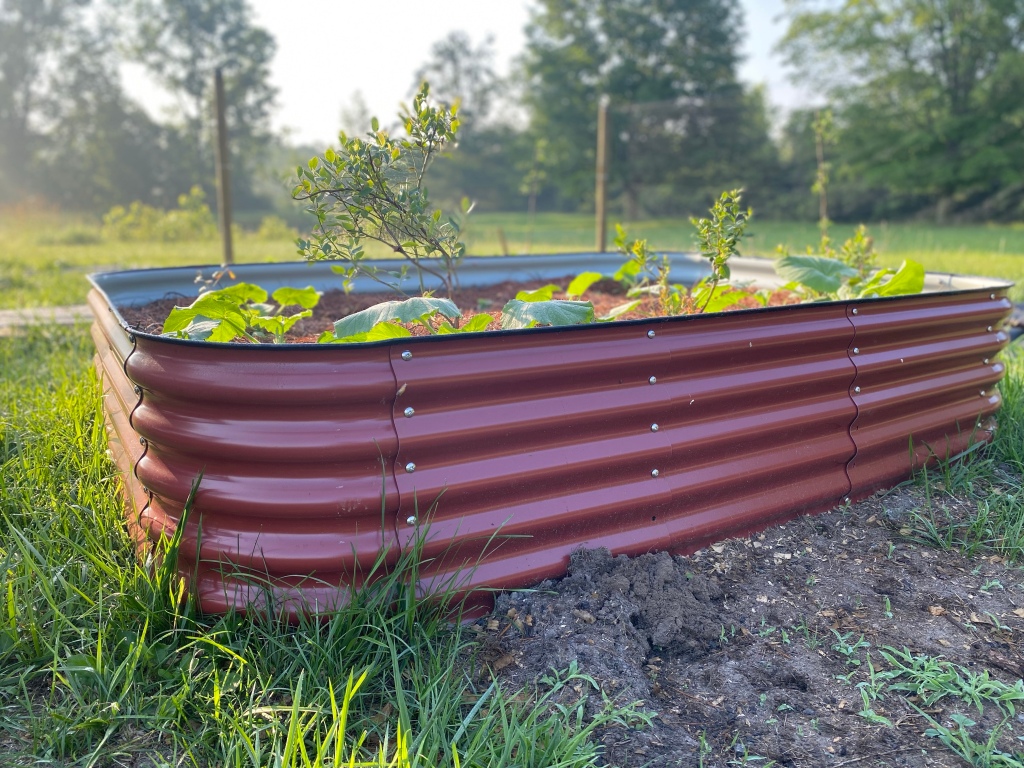
12-IN 1 Metal Raised bed in Barn Red, featured in my own personal garden

 The Cottage Vegetable