
The best aspect of cottage gardening is that no matter how small or large the cottage garden becomes, you can always assure that there is something to harvest and enjoy during your visit.
Here we look at three ways to mix HERBS and FLOWERS for your cottage garden beds this summer so you can get the most out of every spot you have.
Let’s Dive In…
Mixing Herbs and Flowers in your Cottage Garden Bed
Ornamentals and edibles can live side by side safely and regularly in the garden beds.
There are three distinct ways you should approach mixing both edible plants and ornamental plants, that will make maintenance easier:
- Planting with Annuals
- Planting with Perennials
- Planting with Both
Planting with annuals:
A bed with annuals is going to be a bed that you construct every spring and deconstruct every fall.
Although you may get some self-seeding, an annual bed should be viewed as temporary.
It’s a great if you are experimenting with plants or are building this in an area where you rotate crops (your veggie garden for example) because then you don’t have the permanency afterwards.
Annuals are also fast growing, which means if you are looking for that grown in cottage garden look in one season, then annuals will be your answer.
Annual Herbs with great foliage and blooms include:
- basil
- fennel
- dill
- cilantro
- borage
- mustard
- chervil
- stevia
- chamomile
- calendula
Annual Flowers that can complement these herbs include:
- zinnia
- sunflowers
- marigolds
- cosmos
- poppies
- bells of ireland
- strawflowers
- nasturtiums
- snapdragons
- violas or pansies
You can plant any of these side by side in your garden area.
Just take special note on height and size (seed packets or plant tag should specify) when planting to make sure low growing plants don’t get swallowed whole by taller plants.
At the end of the season all of these can be cut down or dug up so you can start fresh next spring.

Planting with Perennials
Perennials beds will be permanent.
The benefit with a perennial garden is that these plants are usually very hardy and easy to transplant, proving them worthwhile for beginner gardeners.
The first year with perennials always looks sparse but after a few seasons these beds fill out or re-seed themselves to become those classic cottage gardens we love.
Perennials Herbs:
- Thyme
- Rosemary
- Oregano
- Chives
- Sage
Perennial Medicinal Plants:
- Lemon Balm
- Bee Balm
- Echinacea
- Catmint
- Dandelion (there’s pink ones to try)
- Lamb’s Ear
- Feverfew
- Valerian
- St Johns Wort
- Black Cohosh
Perennial and Biennial Flowers:
- Foxglove (caution to not harvest when picking edibles)
- Hollyhocks
- Black eyed Susans
- Daisy
- Bleeding Hearts
- Peonies
- Irises
- Mums
- Lupines
- Roses
- Verbascum
Alike the annuals you can plant these side by side with no separation from edibles to ornamentals.
Just be sure to look at final maturity height and size when initially planting. Like I mentioned earlier, perennial beds will look sparse in their first year but will fill out fast.
Just be careful to only harvest medicinal or edible plants. Some of these are toxic if eaten like foxglove.
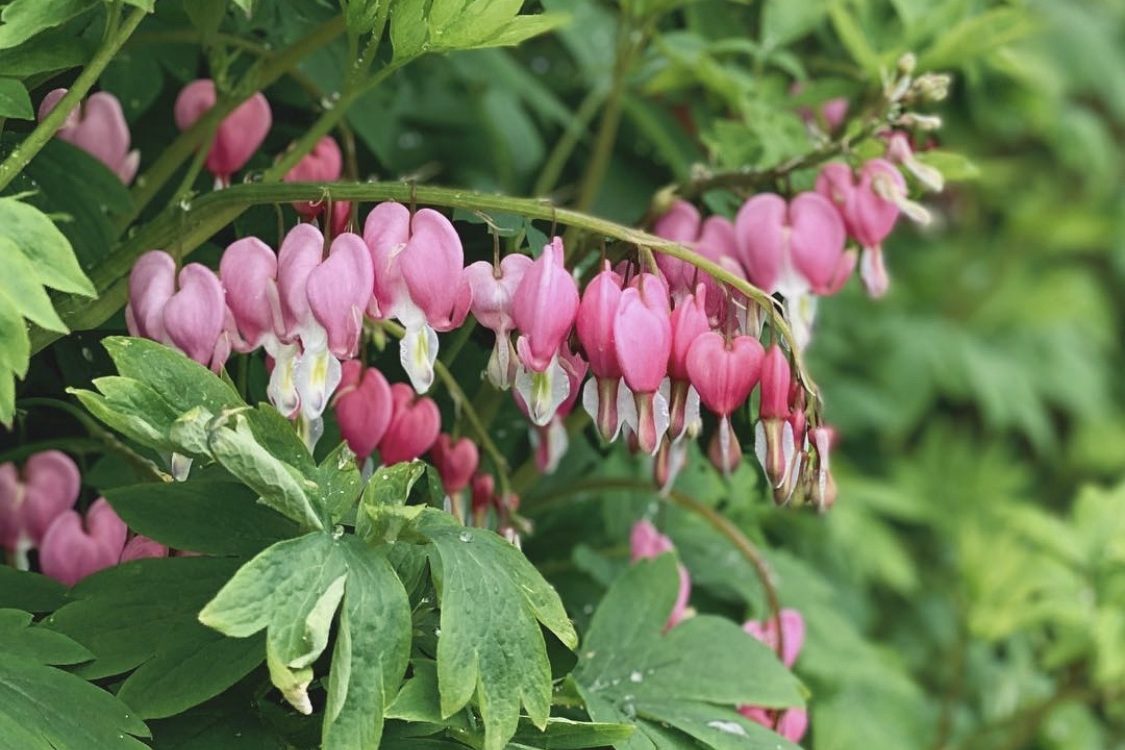
Planting with both Annual and Perennials
Be sure to keep annuals in a place you can regularly dig up, like the edges of the garden bed.
Annuals usually need more amendments like compost to the soil compared to perennials so keeping them in close to the edge makes this easier to handle over time.
This will also make sure you don’t disturb perennial root systems too.
A great benefit to mixing your beds like this is the ability to allow plants to self-seed.
Usually, annuals are more likely to go to seed in one season due to their short lifespan.
When you allow your plants to self-seed and create ‘volunteers’ you not only accommodate a cottage garden look faster but also save time and money from the free plants.
Lastly, perennials in particular also help with soil erosion, soil habitation (good bugs in the dirt), and help allure pollinators into the garden.
You can use any of the plants above for this method of gardening.
That’s It!
When planning and creating a garden bed, both edible plants like herbs and small veggies can easily be placed with ornamental plants like zinnias or bee balm.
Just be sure to understand the permeance and maintenance each year the bed will need.
Enjoy!
- Seed Starting Set Up | Minimal, Organized, Indoors
- Reputable Canning Resources
- Garden Planning Tips
- Spiced Cranberry Sauce | Water bath canning
- Creamy Chicken & Potato Soup | Canned Chicken Recipe

Happy Gardening!
-Chelsea, The Cottage Vegetable
The Cottage Vegetable
Gardening & Preserving for a Practical Kitchen
Use coupon code COTTAGEVEG10 for 10% off your purchase site wide at OLLE GARDENS
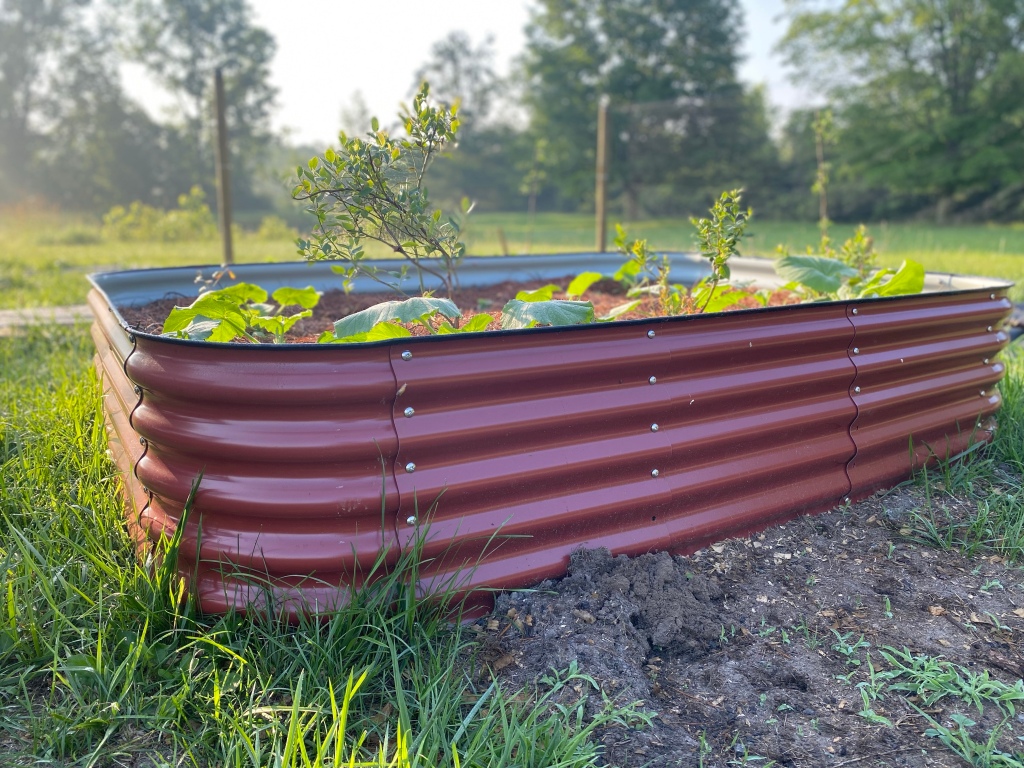
12-IN 1 Metal Raised bed in Barn Red, featured in my own personal garden

 The Cottage Vegetable