
No matter if your leafy green of choice is kale, chard, or lettuce, growing greens is one of the easiest vegetables to grow in a garden.
There are thousands of heirloom greens (50+ year old varieties) that offer several different flavors, colors, nutrient density, with consistently.
But since seed companies can offer a lot of choices, it can be overwhelming to try and figure out what to pick.
With that, here’s a basic guide on how to choose seeds and a quick overview of the 10 different categories, so you can have a great year in the garden.
Let’s Dive in…
Growing Heirloom Greens at Home | How to Choose Seeds
There are only two simple questions to ask yourself when looking for lettuces and greens to grow:
- How do I want to cook or eat these?
- What Season do I want to grow them in (cooler weather vs hot weather)?
1- Eating the Greens
First thing to take note of is how the greens are going to be used in the kitchen: cooked or ate fresh.
This by far, is the best question to ask yourself, simply because there are so few greens that can be cooked and eaten fresh.
You can grow both, but you will have to look for separate seeds to achieve both goals (for example, one can grow a variety of kale to cook, and then grow a variety of romaine lettuce to eat fresh).
Here are the ones that can tolerate cooking: some Asian Greens, Collards, Kales, Mustards, Purslane, Spinach, and Swiss Chard.
Here are the ones that are best for fresh eating: Lettuces, some Asian greens, and Corn Salads.
Answering this question can easily narrow down your choices because you want to grow greens that you will be willing to prepare and eat (also, because we grow PRACTICAL gardens around here. No time for frilly fusses).
2 – What Season do I want to grow them in?
Some greens tolerate hot weather better than others. You will often see the terms ‘bolting’ when you read seed packets.
Bolting is simply the lettuce/green going to flower and seed; it’s an issue because the leaves become so bitter when this happens, it renders them inedible (I’ve tried, the leaves turn very bitter).
Hot weather, dry conditions, often send the message in the plant that it’s time to bolt; greens, with the exception of kale & chards, notoriously have short lifespans.
If you have the opportunity to grow greens in cooler weather, like the spring and fall, than you don’t necessarily need to worry about grabbing greens that are ‘slow to bolt’.
But if you have situation where you have to grow through the heat of summer, grabbing some seeds that say, ‘slow to bolt’, will help you tremendously. These are known to take a little bit longer to go to flower than traditional varieties, giving you a little bit longer time to harvest.
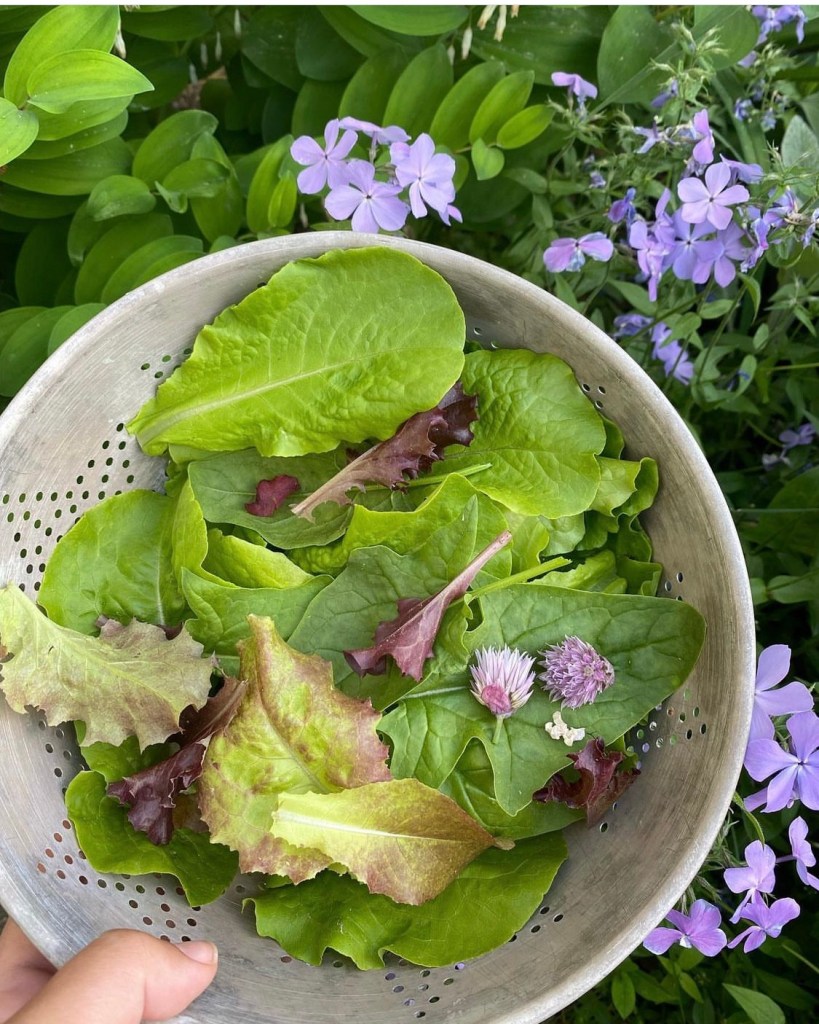
Growing Heirloom Greens at Home | Categories of Greens and Lettuces
There are thousands upon thousands of different lettuces, kale, chard, collards, etc to grow at home but there are generally about 10 categories of greens.
Each category holds a unique set of characteristics that make them all different from each other, in terms of texture, colors, and preserving capabilities (and is the easier way to approach buying greens to grow at home).
As mentioned above, a seed name can become heirloom if it’s been around for 50 years with consistent results. With many, being hundreds of years old. They are dependable, and easily accessible.
I always suggest purchasing heirloom seeds; without home growers continuing to buy the seeds the names would become lost to history!
First let’s dive into what each category of green leafy vegetables there is.
In alphabetical order:
Asian Greens. Asian greens are a group of greens that are known to be used in Asian dishes such as stir fry or kimchi. These greens can come in various shapes or sizes and different varieties. Many are used for cooking and fermenting, with a few for fresh eating.
Collards. Collards are bigger plants that have dark green, round leaves that almost resemble cabbage. Some can grow loose heads, but they are usually harvested for their leaves. Many prefer to cook this green. They are considered to be a brassica, alike kale and cabbage.
Corn Salads. Corn Salads are low growing, thinned leaf, small clusters of bright green leaves. No many varieties within the corn salad group but it’s highly sought after for fresh eating.
“Greens”. You will often seed categories of “greens” on seed company websites. This often is a group of random green leafy vegetables including endive, Asian greens, Bok choy, arugula, and more. Many of these greens are smaller categories and are often easier to place into one category on the websites.
Kales. The ever-popular kale. This green grow on tall trunks creating with thicker leaves that are dark colored. Still considered to be a ‘loose leaf’ plant since you harvest leaf by leaf. Kale is considered to be a brassica which is the same family as cabbage and collards. Kale can be cooked or eaten fresh.
Lettuces. This green leafy vegetable aimed to be eaten fresh. All thin leafed and come in a wide range of color and flavors. There are head lettuces where you harvest the head or cut and come again where you harvest leaf by leaf.
Mustards. These grow similar to collard greens just smaller. They have dark coloration and grow in clusters. These are known for their zesty taste and can be cooked or eaten raw.
Purslane. This is a common weed in most gardens but are edible. Growing low and sprawling, these create a thick round leaf that almost resembles a succulent. Many eat them raw but can be cooked.
Spinach. Spinach is another popular green often seen in stores. They are thin leafed and grow in low clusters. These greens can be cooked or eaten fresh.
Swiss Chard. These leafy greens can grow huge, on thick stalks, and in bright colors. Often the stem is eaten along with their leaves. Swiss chard can be cooked or eaten fresh.
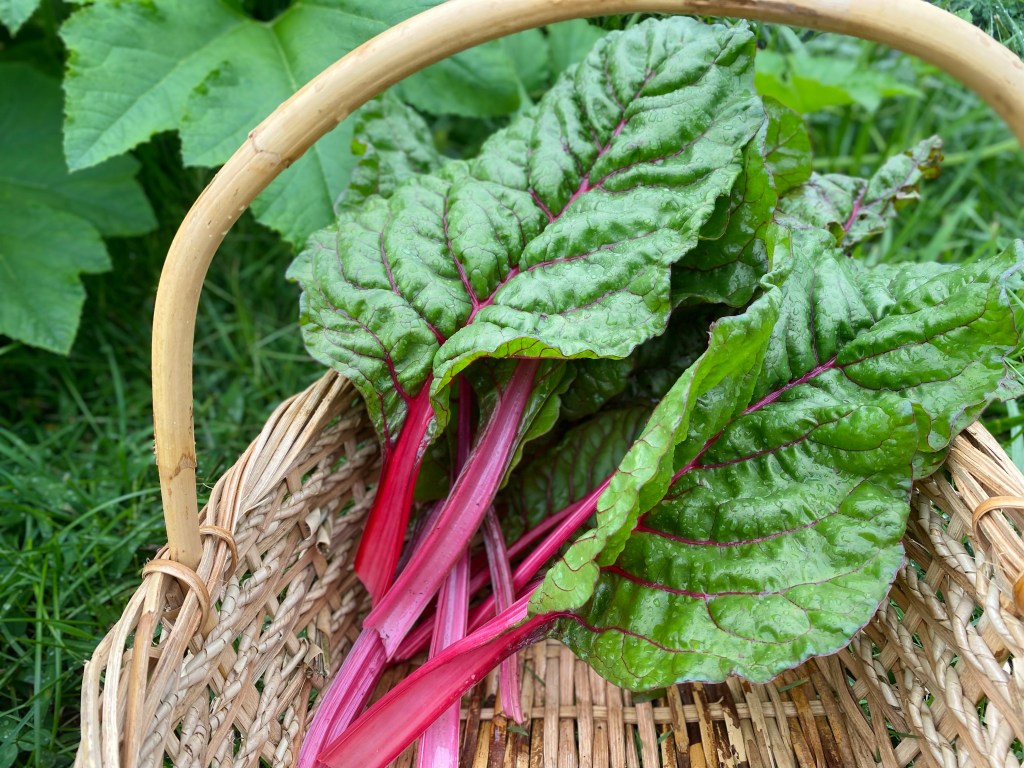
That’s It!
My favorite ones to grow are chards, kales, and of course letting purslane take over when I can. (purslane is so good!)
Just remember how you want to eat them and if you need to look for ‘slow to bolt’ varieties when you pick out your seeds!
And don’t get caught in the 1,000s of seed names, start with one category at a time.
Enjoy!
-Chelsea, The Cottage Vegetable
- Seed Starting Set Up | Minimal, Organized, Indoors
- Reputable Canning Resources
- Garden Planning Tips
- Spiced Cranberry Sauce | Water bath canning
- Creamy Chicken & Potato Soup | Canned Chicken Recipe
The Cottage Vegetable website is an AI FREE zone! Everything is written and photographed by myself, Chelsea.
The Cottage Vegetable
Gardening & Preserving for a Practical Kitchen
Use coupon code COTTAGEVEG10 for 10% off your purchase site wide at OLLE GARDENS
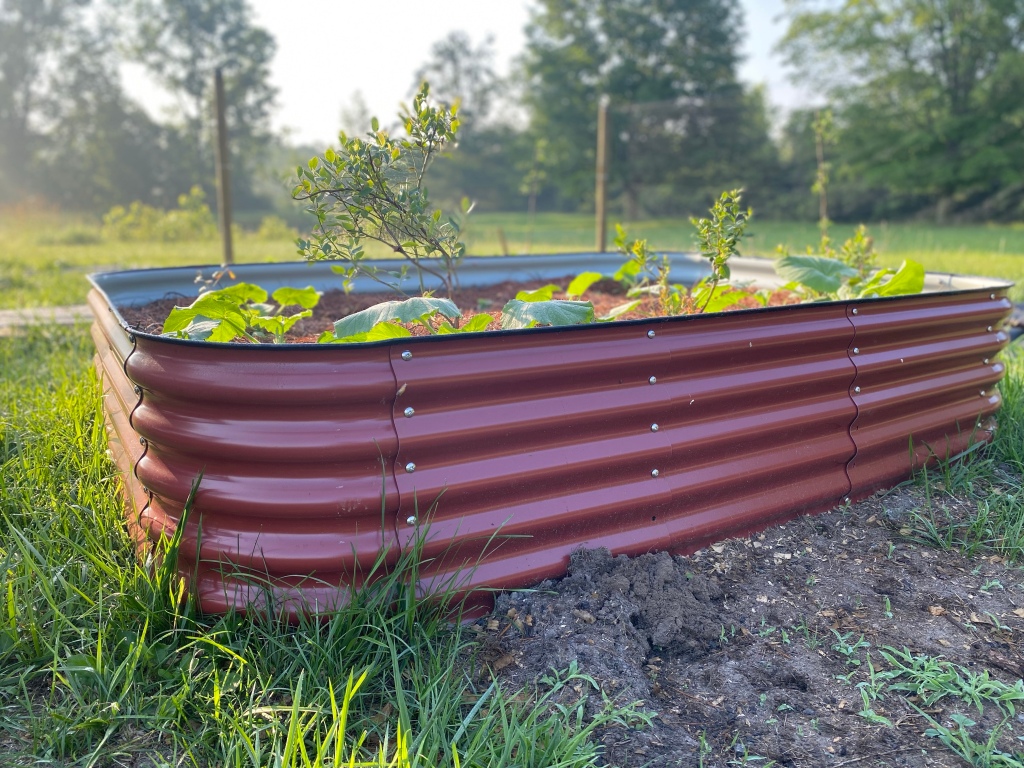
12-IN 1 Metal Raised bed in Barn Red, featured in my own personal garden

 The Cottage Vegetable
Pingback: 5 Foods I Don’t Buy at the Grocery Store because of my Garden | The Cottage Vegetable
Pingback: Easy Vegetables for Beginner Gardeners that You Can Actually Grow! | The Cottage Vegetable
Pingback: What is a Kitchen Garden? How to grow a vegetable garden | The Cottage Vegetable
Pingback: How much Space do you Need to Grow Vegetable Garden? Here are 3 Ways to Save Space if you are Limited. | The Cottage Vegetable