For most gardeners, berries are an easy perennial to add the gardens; they are prolific, most are disease resistant, some are even thornless now.
Anyone with a decent amount of space or a large pot, can slip a berry bush or two into their gardens and reap the benefits of harvesting their own fruit.
Plus, you can get away with not spraying your berries at home, leaving them genuinely organic; fruit grown at home is also known to be more nutrient dense than their storebought comparatives.
Here I go into 7 of the best berries anyone can grow in their own backyard and some growing tips for each of them.
Let’s Dive In…
The Best Berry Bushes to Grow at Home
Which one you choose will simply be what ones you want to grow and eat.
The only thing you want to take into consideration is picking varieties that are compatible to your growing zone (zone map here).
You will see that there are several different types of blackberries, blueberries, etc, and all will have a slightly different flavor profile and climate compatibly; simply choose the ones that sound good to eat and can live in your zone climate.
Berries to grow in your vegetable garden:
- Strawberries
- Blackberries or Raspberries
- Blueberries
- Gooseberries
- Huckleberries
- Currants
- Elderberry
You can order plant starts online or wait until the plant nurseries open in the spring.
Berry Growing Tips
Strawberries
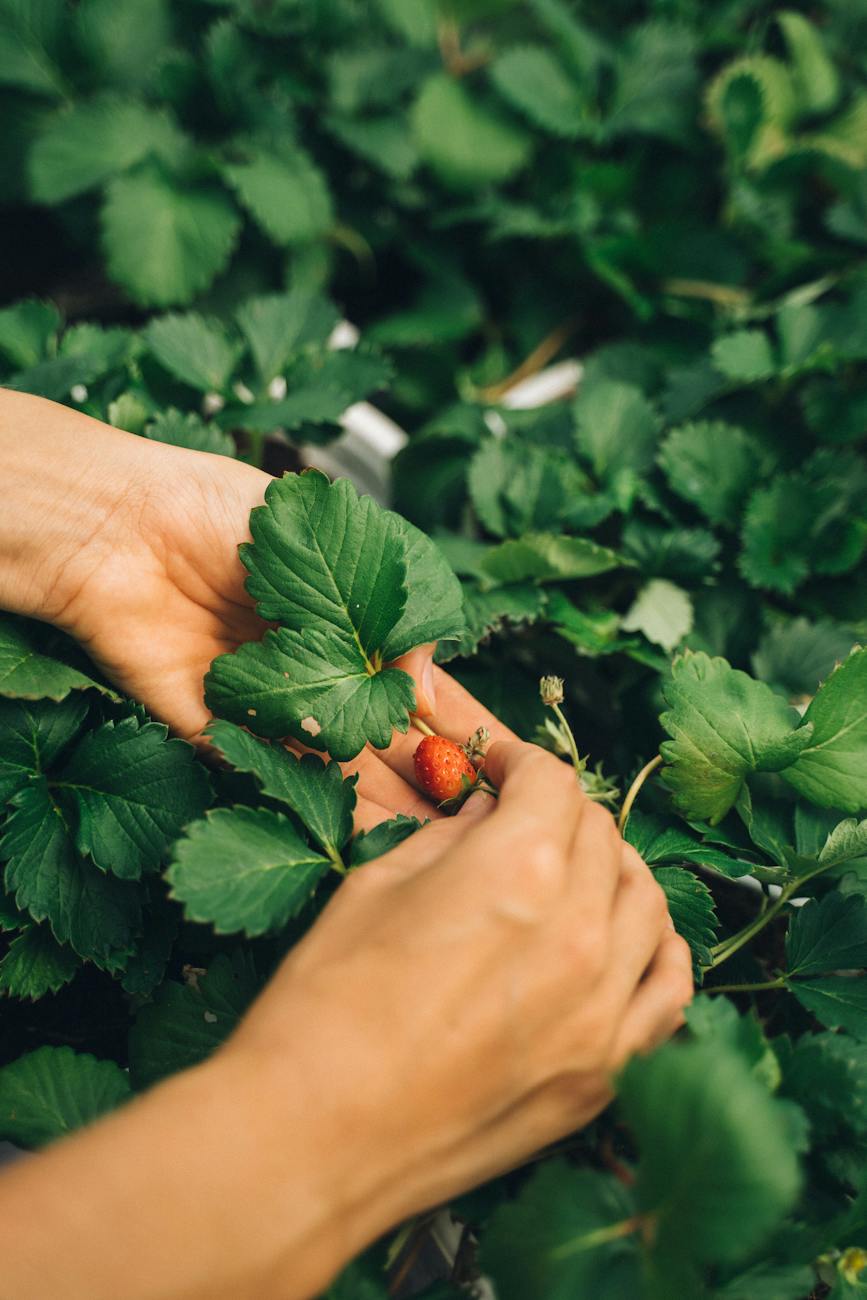
The beloved strawberry.
There are two types of strawberries: June Bearing and Ever Bearing (they bear fruit forever in the summer). The big, fat juicy ones will be the June Bearing and the smaller ones will be the Ever Bearing.
Either way, strawberries need space. They send runners, which are their babies for next summer. You can easily grow them in pot, collect the runners separately and replant them in pots in the fall, or just simply give them an area to take over.
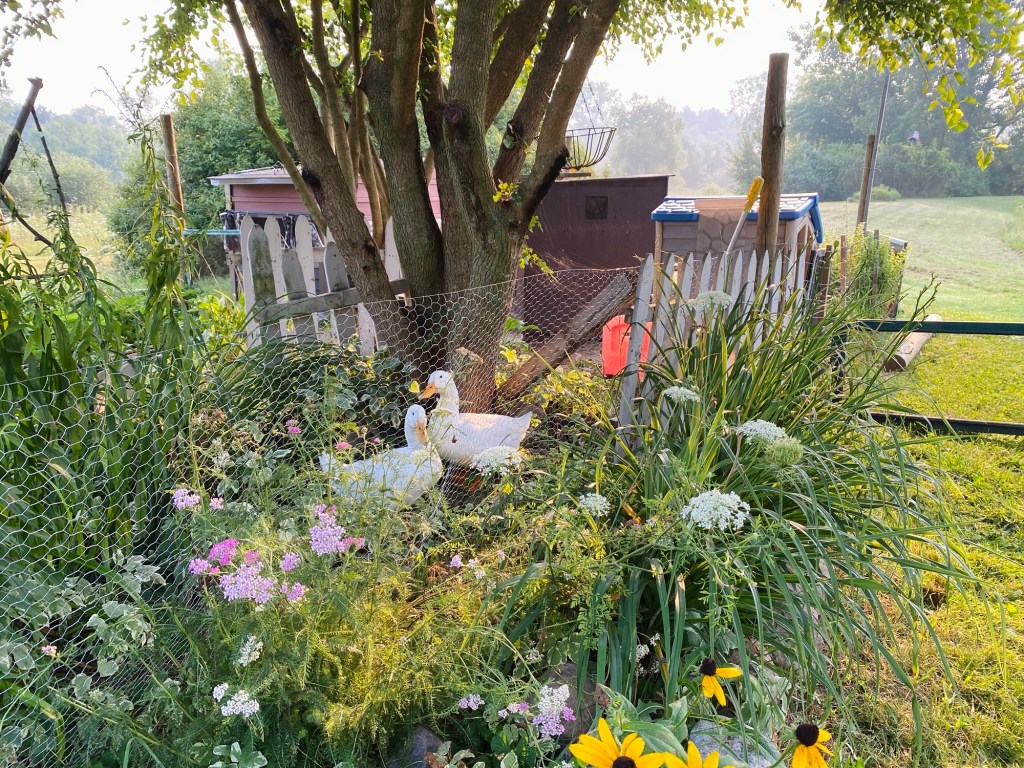
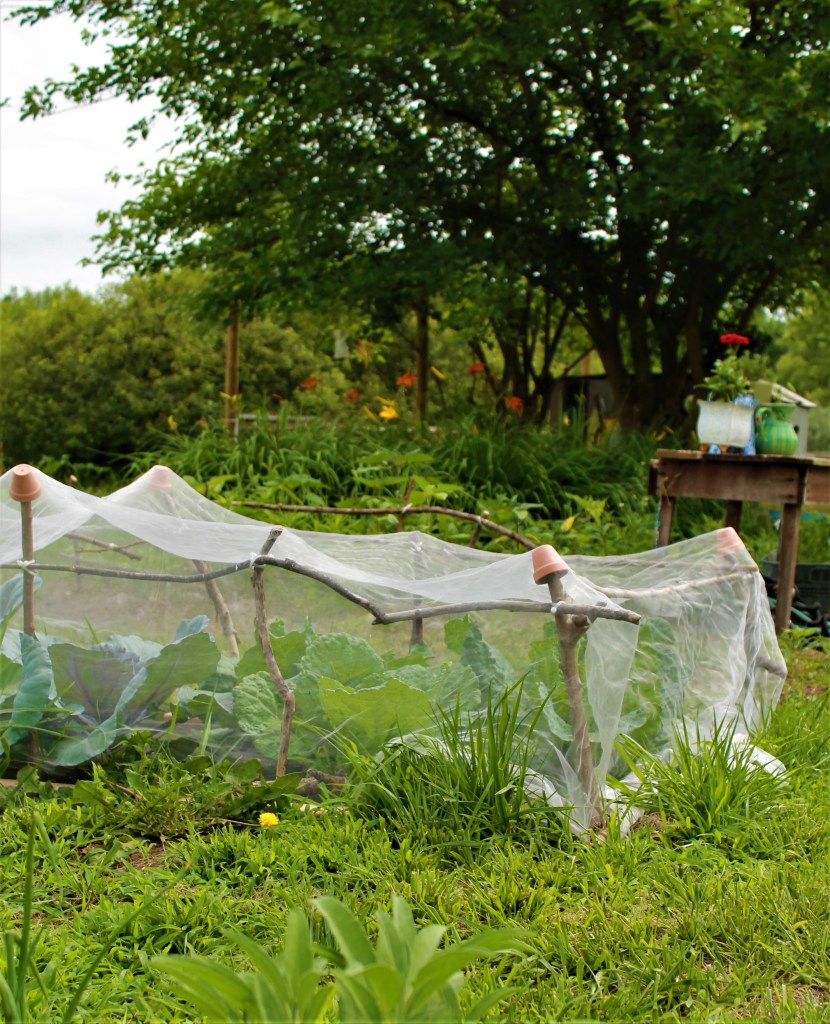
Rabbits, birds (including homestead ducks and chickens) are the biggest problem with strawberries and a simple net can help with that. Slugs too, which the ducks and chickens can then help with eliminating slugs if you have them.

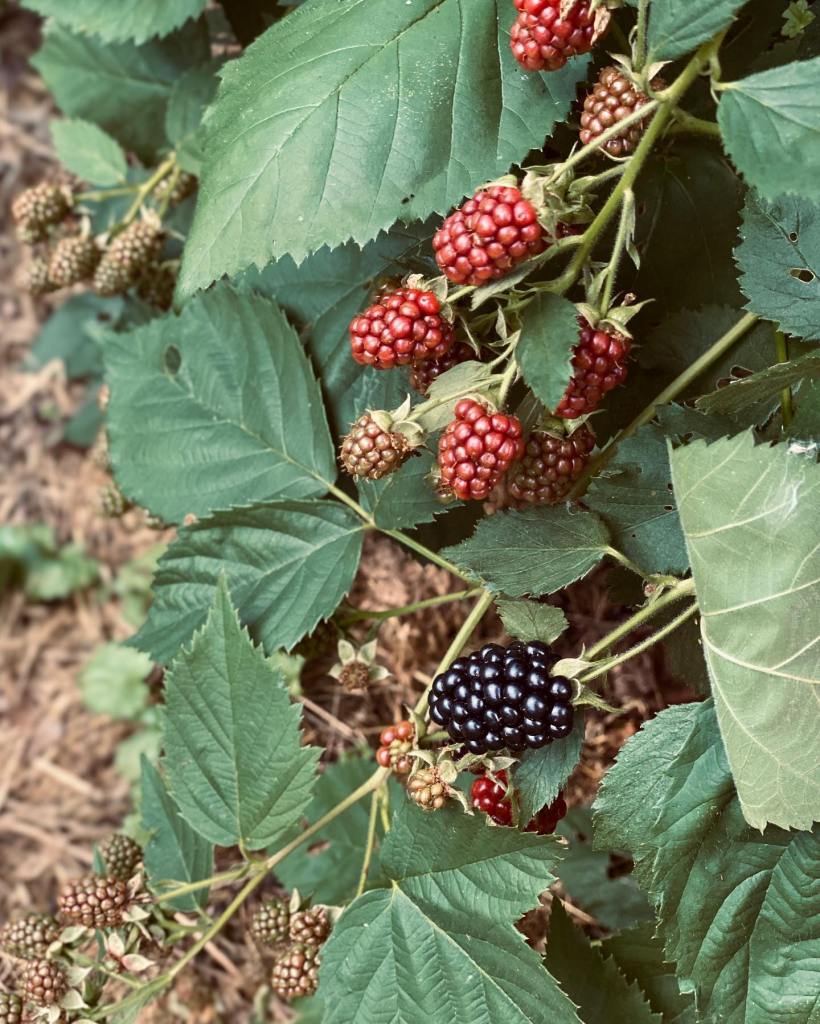
Blackberry & Raspberry
Blackberry and Raspberry are grouped together because they are very similar to each other.
One can easily find a thornless variety of these bushes to grow now a days and are easily found in many plant nurseries or available to ship online.
Both Raspberry & Blackberry bushes are extremely prolific if planted in fertile soil and receive full sun. Making sure they are given compost or liquid fertilizer can help ensure proper growth and health of the plant.
You can easily get away with planting 1-2 bushes if you are short on space, and still harvest several pounds of berries each summer.
These bushes are going to get big and tall though, and a strong trellis is highly recommended.
You have to prune these berry bushes back each year to keep them from invading the garden and to help invigorate the plant. Pruning the old canes (old stems) is easy to do in the spring, since the old ones will look brown and dead.
Blueberries
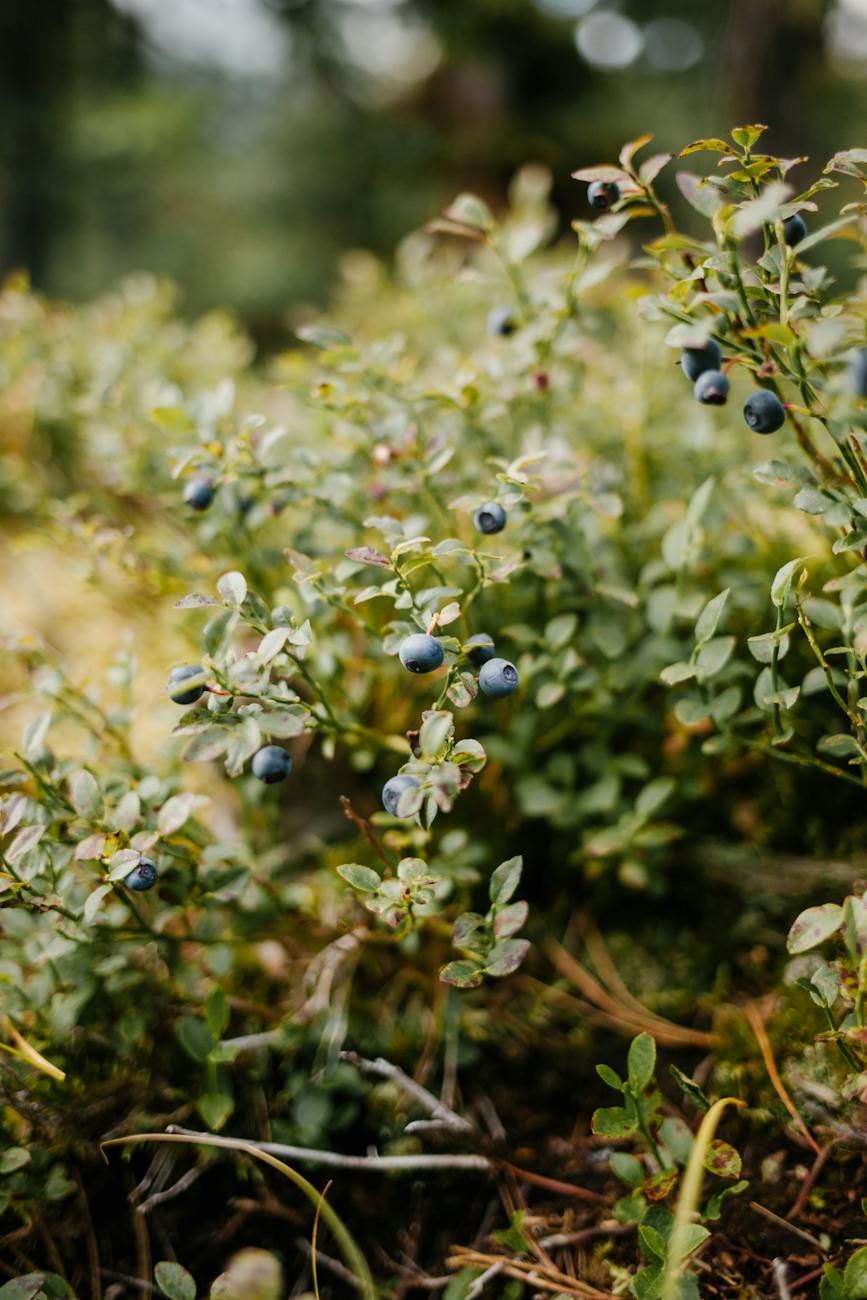
Blueberries take a few years to gain momentum, but again, are very prolific.
There are several types of blueberries to grow, today, with ‘wild’ blueberries even being available to purchase and plant at home.
Plant in full sun, and fertile soil. It helps if they are given a soil additive to make it more acidic. Compost or mulch with pine needles can help make the soil more acidic for them also.
They don’t need pruning or trellises and grow in a mound like shape.
You can easily purchase several different varieties of blueberries, so they come into harvest at different times of the summer; some are early, while others are late, giving the gardener a chance to plant enough blueberries to make harvest season longer.
Gooseberry
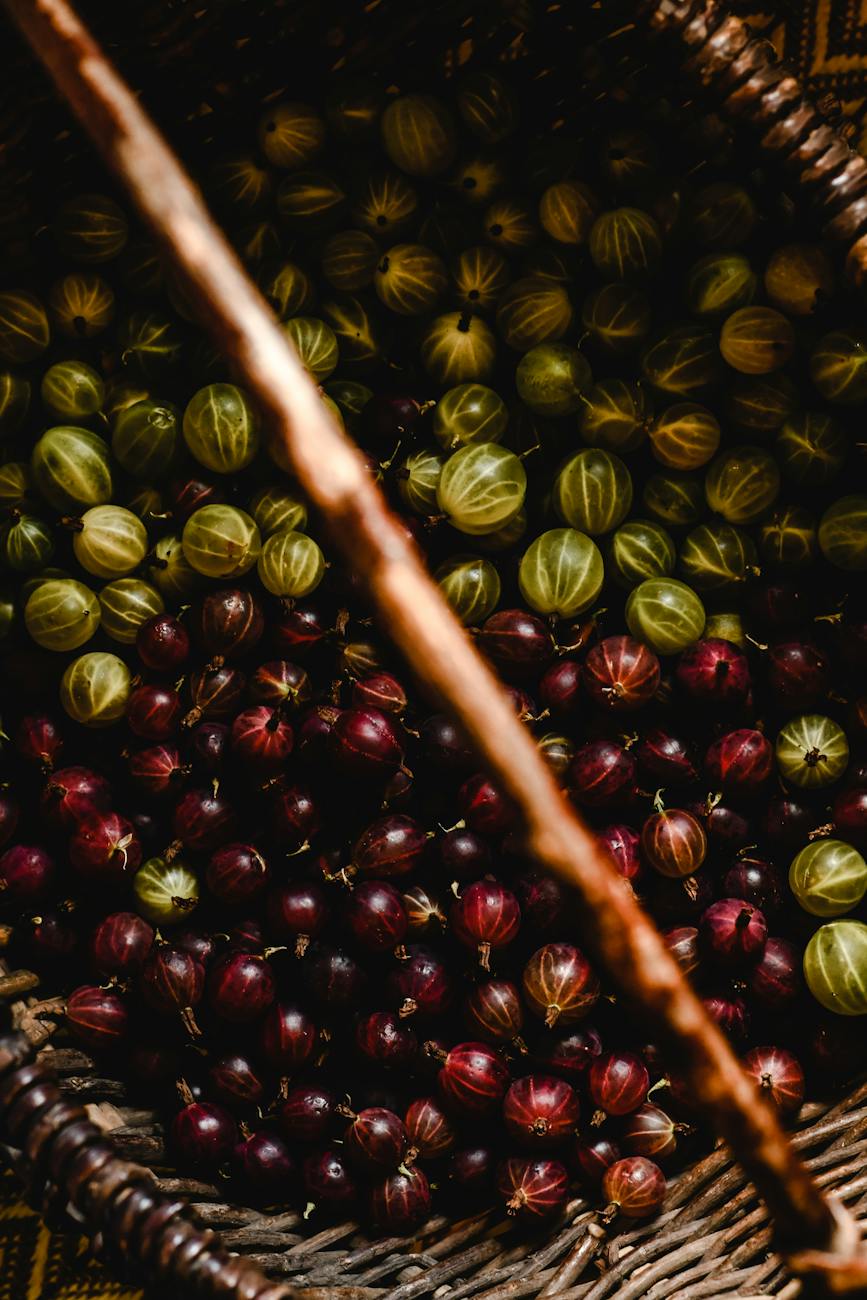
Gooseberries are not so common amongst most households, leaving these to be a gardener’s special.
They look like grapes and sometimes even taste like them, but they are often used similar to other berries mentioned above in making jams and pies or eating fresh.
The best part of gooseberries is that they are incredibly easy to grow because they are cold tolerant, most are disease resistant, and can even tolerate full shade.
They don’t need pruning or a trellis, but do need a few feet around them to grow into.
There are thornless varieties available also, leaving this to be a particular easy berry to add to any garden.

Huckleberry
The garden huckleberry is yet another gardener’s special, since you can’t find these berries (or huckleberry jams for that matter) being sold in stores.
They are very similar to blueberries with only slight differences; they have round, dark berries that grow in clusters, and once established are extremely prolific.
Although, most people reserve these berries for preserving (since they are not that tasty eaten fresh) they are still loaded with antioxidants and minerals making them worth the effort.
These need to be planted in fertile soil, part to full sun, and need to live in a more acidic environment similar to blueberries.

Currants
Our last gardener’s special, since stores don’t sell currants.
Loaded with nutrition and antioxidants, many actually grow these because of their ornamental value; they are like little jewels growing in the garden with their brightly colored berries.
Like, huckleberries most tend to use these in preserving rather than fresh eating; but a jar of currant jam is also something you won’t find in stores making this bush even more worthwhile.
Currants are not as disease resistant when compared to the other berries discussed and should be approached more like planting a fruit tree rather than a bush.
But don’t let that stray you away because with proper soil preparations (nice, fertilized soil), mulching, and regular watering, and full sun anyone can grow these in their gardens and reap their benefits.

Elderberry
Elderberries have gained a lot of popularity in the most recent years, and for good reason.
Loaded with antioxidants, minerals, vitamins, many are claiming it’s the cure to common winter ailments (please note, it’s the vitamin make up of elderberries that help with the common cold and given most of us are nutrient deficient now a days, it works like a cure).
You can easily find dried berries to purchase online to make syrups and jams with but growing your own elderberry plant is easy enough.
In fact, you will probably attract all the right beneficial wildlife to your gardens with it, since birds and others tend to rely on elderberries for winter food.
Plant in full sun, fertile soil (think forest soil), and let her have it. One plant should do for a large family so don’t worry about planting a ton of these.
That’s It!
Any berry is a great way to add some nutrient dense foods in the vegetable garden.
Many, as we read, are what I like to call ‘Gardener’s Special’: meaning they can only be grown at home by the gardener.
Just remember to check growing zone compatibilities when purchasing.
Enjoy!
-Chelsea, The Cottage Vegetable
- Seed Starting Set Up | Minimal, Organized, Indoors
- Reputable Canning Resources
- Garden Planning Tips
- Spiced Cranberry Sauce | Water bath canning
- Creamy Chicken & Potato Soup | Canned Chicken Recipe
The Cottage Vegetable website is an AI FREE zone! Everything is written and photographed by myself, Chelsea.
The Cottage Vegetable
Gardening & Preserving for a Practical Kitchen
Use coupon code COTTAGEVEG10 for 10% off your purchase site wide at OLLE GARDENS
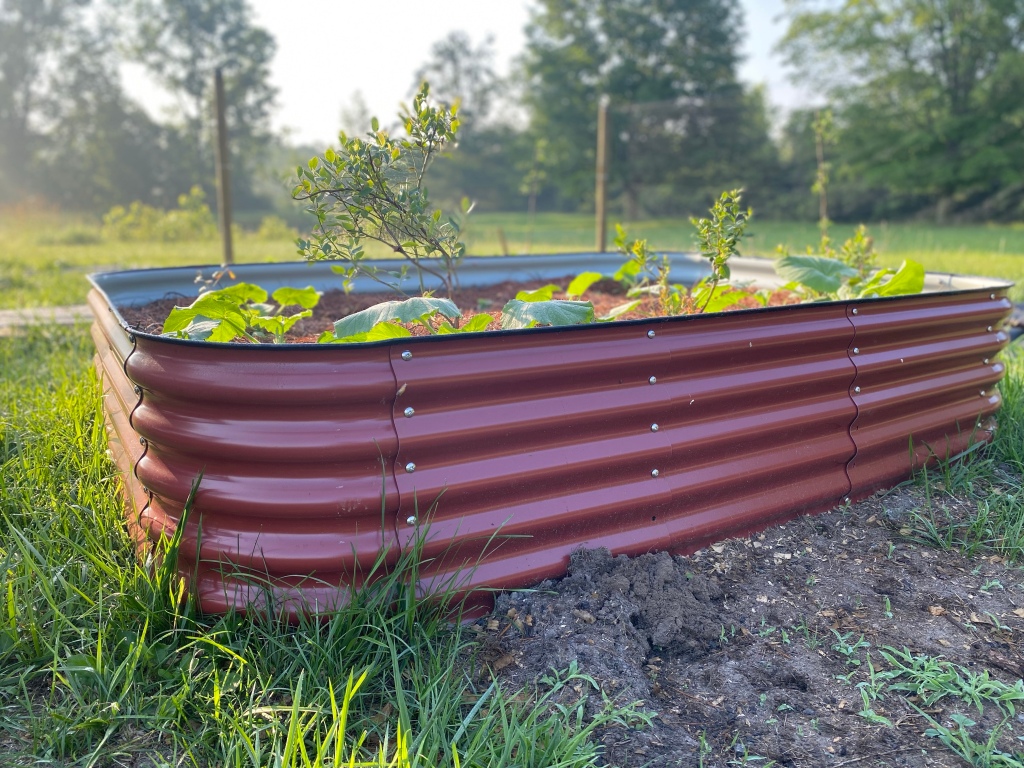
12-IN 1 Metal Raised bed in Barn Red, featured in my own personal garden

 The Cottage Vegetable
Pingback: Chocolate Blueberry Scones | Using Dehydrated or Freeze Dried Berries | The Cottage Vegetable