This lipstick economy might be rearing its head, but that doesn’t mean you need to panic and put extra stress on yourself when it comes to your garden.
In fact, if you feel the pressure for your garden to deliver this year, I will suggest you look into farm animals for a secure source of protein rather than more vegetables.
If you want to have a balanced summer this year like I do, here is what I am focusing on when it comes to pre-planning the gardens. And yes, January is a perfect time to start!
Here I get into how I pick what vegetables to grow, some companion plants to stick with and some extra tips to keep things cost effective.
Lets Dive in!
Picking your vegetables
So, in short, I don’t grow every single vegetable every year. Just because you can grow it, does not mean you have to.
This is how I plan my garden every year:
- Assess what we are currently eating on repeat
- Assess what seeds I have to match our current habits
- Think about how I want to preserve the harvests this year
- Finally starting the seeds, and drawing out some rough drafts
Assessing what we eat: Pretty straightforward, but I do like to have a general list of veggies that we are eating during the fall/winter seasons. This will be what I base my garden off of.
For example, cabbages, carrots, onions, broccoli, kale, potatoes, tomatoes (sauces), herbs have been our go-to this winter. This means about 75% of the garden will be focused on these vegetables. The other 25% I will leave room to “have fun” and squeeze a few plants of other summer favorites like zucchini, lettuce, or some flowers.
Assessing my seed collection: Now that I got a good idea of what I should be growing, I go to my seed collection before purchasing more. Reminding myself that I should use what I have first before purchasing more. There is truly no chart out there that can help you find how much exactly to grow, since every household is so different. It’s always best to error on the side of MORE to take into account of weather and pest destruction.
Preserving Goals: Canning is not the end all-be all of preserving. It’s a fantastic skill to have, but freezing, dehydrating, and freeze drying are options also.
I like to think of how I want to stock the pantry up for next winter before I start planting seeds. This also gives me an insight on how much to grow since it depends on how much time I am willing to spend preserving foods.
For example, I am really going to lean into freezing and freeze drying this summer. Leaving canning to my absolute favorites. I will plant extra of veggies that I plan to freeze/freeze drying since that is less labor intensive. Leaving canning veggies to an amount that I am willing to process via canning (it’s less than you think, especially when the heat and humidity of summer kicks in).
YOU might want to do the opposite! It’s absolutely okay to home can everything! Just keep your preservation goals in mind when planning the garden.
Rough Draft and Seed Starting: the fun part! Drawn out rough drafts are a great tool to keep things organized and in control. Does not have to be aesthetic, just grab a notebook and make a rough plan so you aren’t just impulsively planting stuff.
Pest Control
Pest control should always be thought of when you are planning a garden because this can be a sneaky extra cost.
My favorite ways to do pest control are mechanical, chemical, and companion plants.
Mechanical methods: I love to use garden mesh nets around my kale, cabbages, broccoli to prevent cabbage moth. I use aluminum foil at the base of my squashes to prevent squash vine borer. I have a cage around my strawberries to keep my ducks and birds off. And both my beans and lettuces will get chicken fences around them to prevent bunnies from eating them. It’s easy stuff but very helpful.
Chemical: Don’t be afraid of the buzz word chemical. You will be better off finding a chemical pest control to help you throughout the summer than just letting all your hard work go to waste. Theres plenty to pick from, so I will allow you to find what you like. But you will use less than you think so go ahead and grab a bottle of something. Mine are stink bugs/squash bugs; dawn dish soap with the degreaser does a good job killing the nymphs. But I have also used more conventional products with no subsequent harm.
Companion Plants:
Here are the three Companion Plant combinations everyone should be implementing if they can:
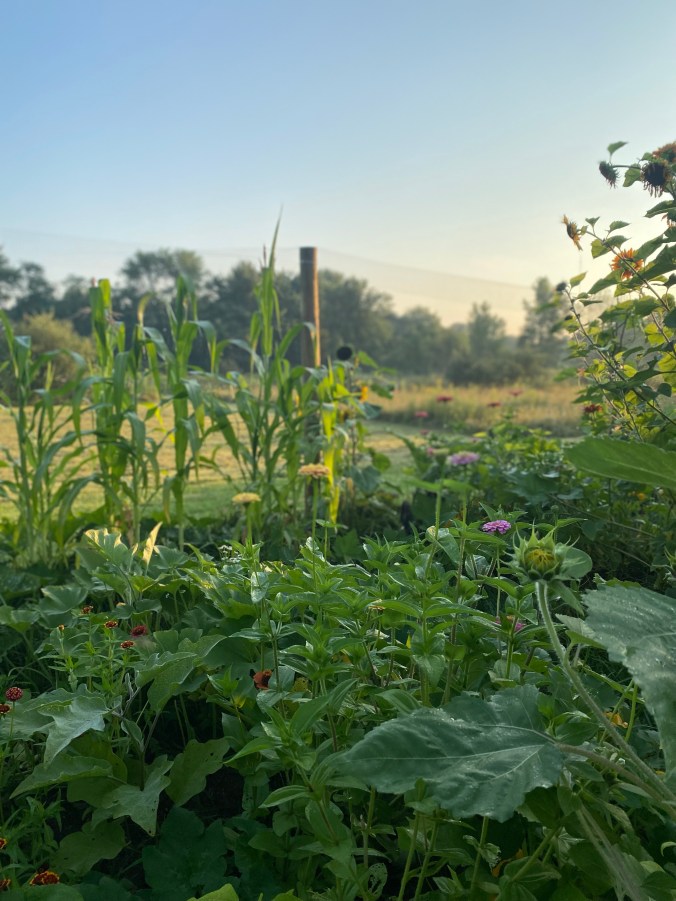
- Three sisters: squashes, corn or sunflower, beans
- Tomatoes, Basils, Marigolds
- Brassicas (kale, cabbage, etc.), onions, garlic, aromatic herbs
These groupings in the garden can help alleviate some pests (not all of course), and they provide a good set up so none of the crops are competing with each other too much.
I will say anything else can be planted with anything. Just make sure nothing is going to shade the other unless they need shade.
Keeping the Garden Cost Effective this year
Like mentioned above, this lipstick economy is definitely taking its toll on just about everyone.
I pray you guys have started your gardens at least within the last few years, because that is what is going to save you the most money. Sorry, harsh, but true.
If you are brand new, of course you can still get started but NO impulse buying stuff and NO credit card debt!
Things to focus on when you are purchasing things for your garden this year:
- Quality over quantity: this goes for raised beds, fencing, etc. That means if you can only buy one, buy the best one that will last the longest. It’s the whole “too cheap to buy cheap stuff”
- Seeds; buy them at any price point, just realize cheaper seed packets have less seeds in them
- Pest control
- Jars, lids, or other preserving materials
The rest like windchimes, garden decorations, etc. can wait this year (don’t you dare put yourself in credit card debt over a windchime!).
It’s easy to create your own compost and fertilizer too. You need LESS than you think so don’t think you need to put 6 inches of compost down (that’s insane in my opinion). And if you are that strapped for cash in terms of compost, just make your own liquid fertilizer and give your plants a drink of fertilizer once a month. Mulch is much more important than compost anyways.
I will strongly suggest looking into reusing things and finding things second hand if you can. For example, cardboard from online orders can be used in the garden as mulch. Scrap wood can be used to make cold frames or trellises. Jars are easy to find second hand now a days. Old slip-n-slides can be used to kill grass to start a new bed.
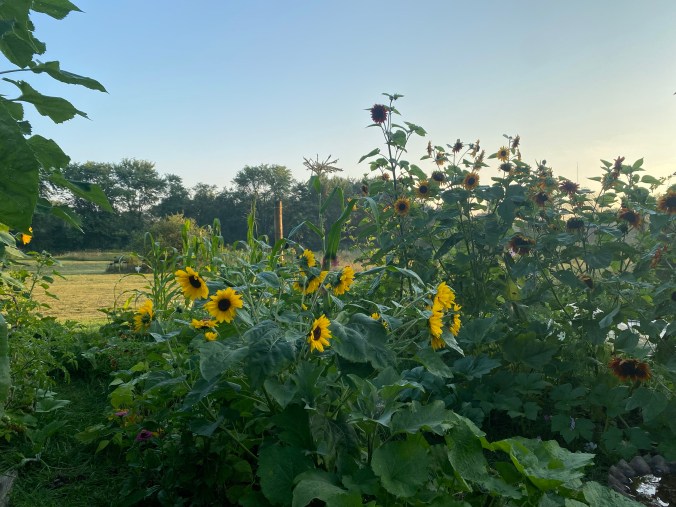
Honestly, allow yourself to be creative and perhaps let go of the fact that gardens need to look perfect. Also, allowing annual flowers to do the heavy lifting for aesthetics can go a long way.
That’s It!
I only write this to help get you started. I hope everyone’s plans for a garden do well this year.
Just remember to have fun and not subscribe to all the doom and gloom that the homestead social medias have subscribed to.
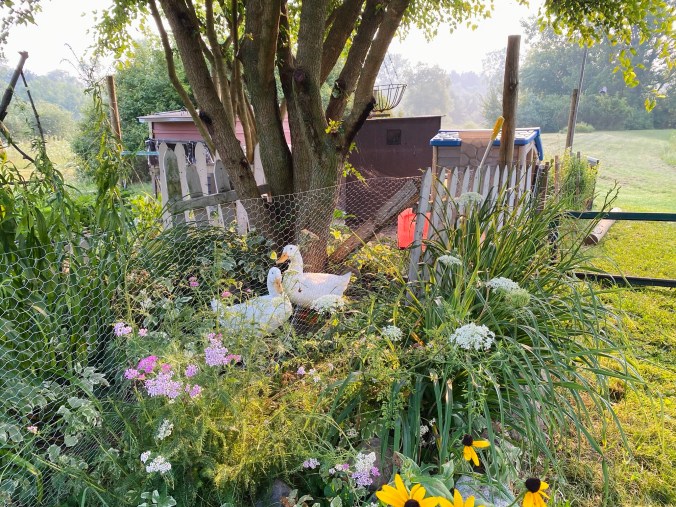
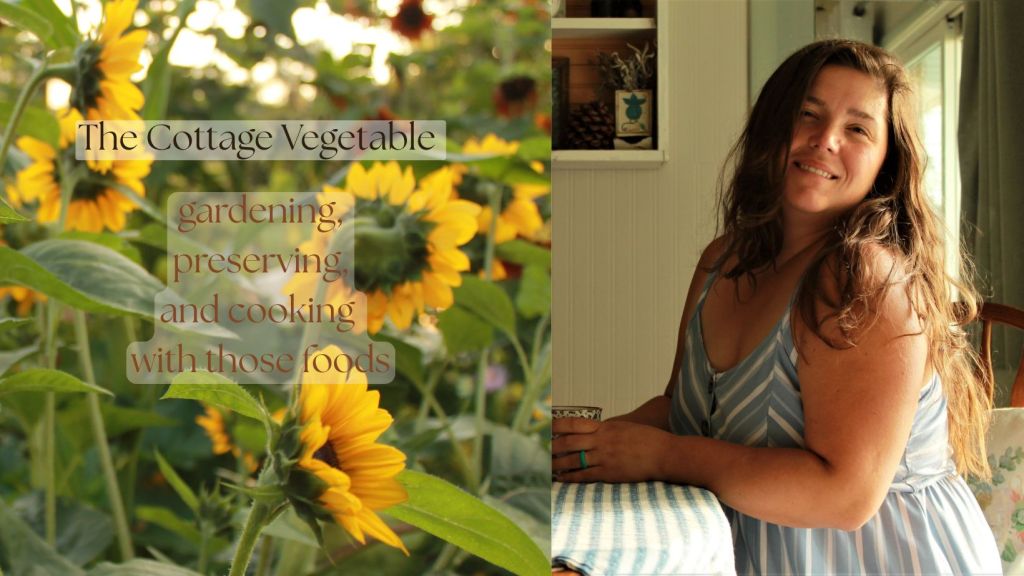
All the photos are from years past; it’s always a great idea to go back and take a look at what you did in the past and see what changes you want to make.
Enjoy!
-Chelsea, The Cottage Vegetable
- Seed Starting Set Up | Minimal, Organized, Indoors
- Reputable Canning Resources
- Garden Planning Tips
- Spiced Cranberry Sauce | Water bath canning
- Creamy Chicken & Potato Soup | Canned Chicken Recipe
The Cottage Vegetable website is an AI FREE zone! Everything is written and photographed by myself, Chelsea.

 The Cottage Vegetable