
Beans are a staple to many kitchens, however, choosing what beans to grow in your garden can be overwhelming because there are so many out there.
Here I go into the different types of garden beans and divide them into simple categories so you can pick out beans that will work for you.
Let’s Dive In…
The Different Types of Garden Beans
There are three main categories to think about when buying bean seeds for your garden:
- Growing Habit
- Snap Bean or Dry Bean
- Colors & Flavor
Growing Habits
Bush Beans: Bush beans grow into bushes. They only grow a couple feet off the ground and don’t need major trellising. They are highly productive, produce early, and are perfect to small space growers.
Pole Beans. Pole beans keep on growing throughout the season reaching high heights (hence the name “pole”). Pole beans need major trellising up on poles to making harvesting easier.
Half Runner Beans. These are a mix of pole and bush. Only growing a few feet more than bush beans and can handle moderate or weaker trellising.
Snap bean vs Dry Bean
Snap Beans. Meant to eat the whole pod fresh. Preferably young, before inside beans form. These will snap from how crisp they are.
Wax Beans. Wax beans are another form of snap bean, but they are smoother, slightly softer in texture and most of the time brightly colored. Again, meant to eat young and fresh.
Roma Beans. Similar to wax and snap beans. A difference here is Roma beans are often stringless and flat in shape. But still meant to be ate young and fresh before inside beans form.
Fava Beans. Unlike Snap beans, you are to eat the inside beans fresh since the pods are often inedible. These are big, flat creamy beans that are sometimes used similar to chickpeas.
Lima Beans. Like Fava beans, you are meant to eat the fresh inside beans. Sometimes referred to as soybeans by seed companies. Biggest difference between fava and lima are their taste and shape when cooked.
Dry, Shelling Beans. These beans are meant for the grower to allow to go all the way to a hard bean. After harvest, one will shell the beans out of the dry pods and use them just like dry beans you buy at the supermarket. Although fresh beans can be edible here, they are often not preferred. Their flavors and true textures are allowed to form when left on the plant to become dry beans.
Lentils. Alike, shelling beans, lentils are meant to be left on the plant until they are dry. They can later be used in dishes similar to dry beans.
Colors & Flavors
Here you will be able to tailor what flavor and colors you want to grow.
After picking out what kind of bean you want to have you can look at specific names and descriptions and make a final decision.
Varieties such as Kentucky Wonder, Scarlet Runner, Tiger’s Eye, Jacob’s Cattle, Light Kidney, Blue Lake, Cherokee Wax, Rattlesnake and other will come and be your final decision.
Each will provide a different flavor profile such as nutty, rich, creamy, tender, or even sweet.
Reading the descriptions will give you a good idea of what it tastes like.
That’s It!
Beans are an incredible crop, but sometimes you do have to make sure you pick ones that will work for you.
Thinking about beans in these simple categories helps when purchasing at seed packets.
Enjoy!
-Chelsea, The Cottage Vegetable
- Seed Starting Set Up | Minimal, Organized, Indoors
- Reputable Canning Resources
- Garden Planning Tips
- Spiced Cranberry Sauce | Water bath canning
- Creamy Chicken & Potato Soup | Canned Chicken Recipe
The Cottage Vegetable website is an AI FREE zone! Everything is written and photographed by myself, Chelsea.
The Cottage Vegetable
Gardening & Preserving for a Practical Kitchen
Use coupon code COTTAGEVEG10 for 10% off your purchase site wide at OLLE GARDENS
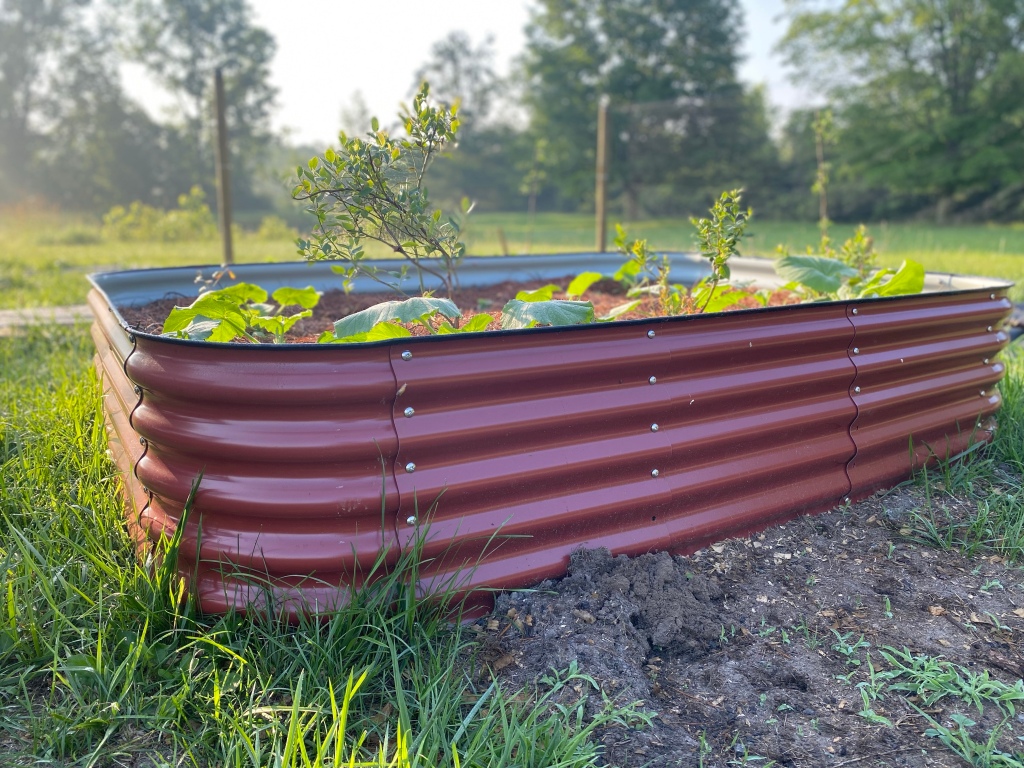
12-IN 1 Metal Raised bed in Barn Red, featured in my own personal garden

 The Cottage Vegetable
Pingback: Growing Tomatoes: How to Navigate Seed Labels | The Cottage Vegetable
Pingback: Growing Cucumbers: How to Navigate the Seed Labels | The Cottage Vegetable
Pingback: Growing Greens: Kale, Spinach, Collards &More | How to Navigate Seed Labels | The Cottage Vegetable
Pingback: Heirloom Seed Companies in the United States; Where to Start & Safe Seed Pledge | The Cottage Vegetable
Pingback: How to Start Gardening for the Absolute Beginner | 2023 | The Cottage Vegetable
Pingback: Easy Vegetables for Beginner Gardeners that You Can Actually Grow! | The Cottage Vegetable
Pingback: What is a Kitchen Garden? How to grow a vegetable garden | The Cottage Vegetable
Pingback: How much Space do you Need to Grow Vegetable Garden? Here are 3 Ways to Save Space if you are Limited. | The Cottage Vegetable